Find answers to common baking questions, from ingredient substitutions to troubleshooting failed recipes and storage tips.
A Guide to Common Baking Inquiries
At Sweet Crumb Bakery, this section serves as a reference for frequent baking questions. You'll find information on ingredient substitutions, methods for troubleshooting recipe issues, and storage techniques. These resources are intended for informational purposes only. Baking outcomes can vary widely due to differences in technique, equipment, and environment conditions such as altitude or humidity. Rather than providing definitive solutions, this guide offers a starting point for your own exploration. We encourage you to consider these topics as part of a broader understanding of baking processes.
Common Baking Questions, Answered
1What can I use as a substitute for buttermilk?
Stir one tablespoon of lemon juice or vinegar into one cup of milk and let it stand for about five minutes. This acidic mixture is a common stand-in for buttermilk.
2What if my cake turned out dry or dense?
Dry or dense results often come from overmixing, too much flour, or an oven that runs hot. Check your measurements and oven temperature for future batches.
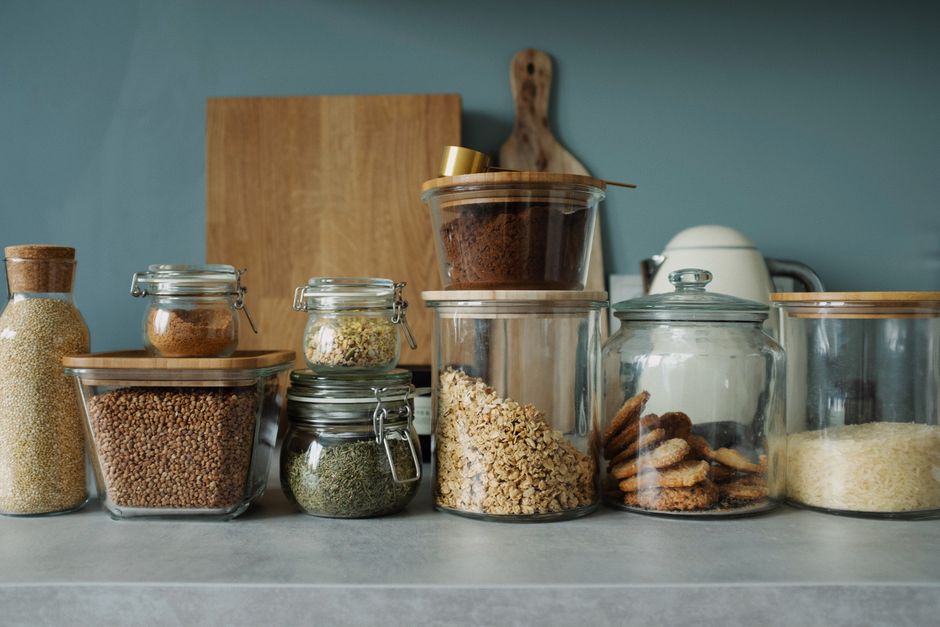
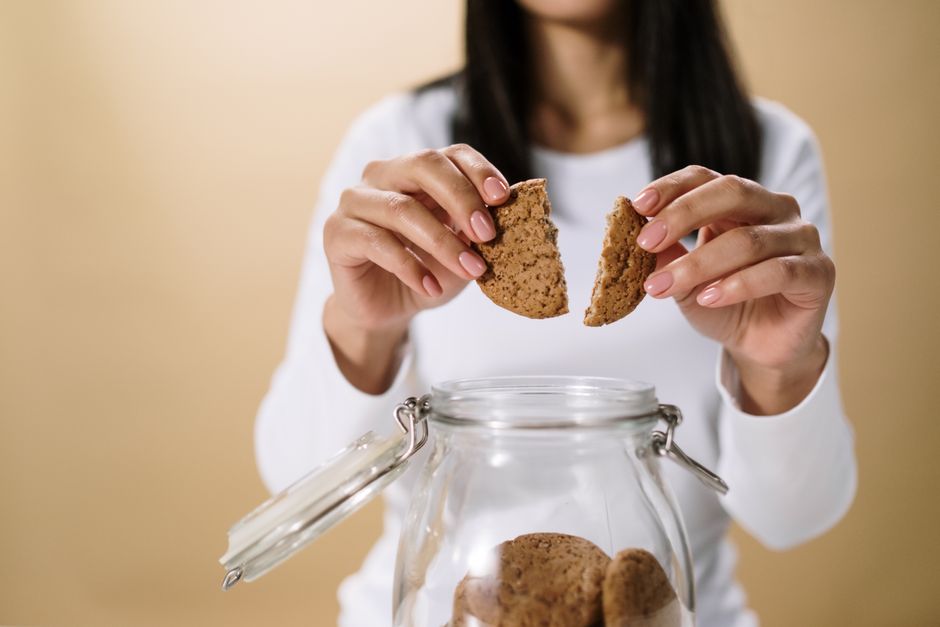
3How should I store cookies to keep them fresh?
Store cookies in an airtight container at room temperature for up to a week. For longer storage, freezing them in a sealed bag helps maintain texture and flavor.
4Can I reduce the sugar in a recipe without issues?
Reducing sugar can affect texture, spread, and browning. A common approach is to cut it by about 25% and adjust other liquids slightly, noting outcomes vary by recipe.
5Why did my bread not rise properly?
Bread may not rise due to expired yeast, water that is too hot, or a cool room. Verifying yeast activity and dough temperature can help diagnose the cause.
How Baking Variables Shape Your Results
Baking is a matter of interactions between ingredients, mixing methods, and storage conditions. This overview outlines a few common variables at play in home baking. Ingredient choices—flours, fats, leaveners, sweeteners—each bring distinct properties. Mixing technique influences gluten development and aeration. Oven temperature and time create structure and browning. After baking, storage conditions affect texture and longevity, as moisture and air exposure continue to shift a product's character. No single variable dictates an outcome; rather, results emerge from combinations of factors, including altitude, equipment, and ingredient freshness. Understanding these variables can inform adjustments when a recipe doesn't turn out as pictured, though results remain dependent on context.
Reference Information for Common Baking Questions
This section provides accessible, neutral information on ingredient substitutions, troubleshooting, and storage methods for baked goods. Substitutions are discussed as possible alternatives with variable outcomes depending on context. Troubleshooting approaches outline common causes and adjustments. Storage guidance covers techniques and factors affecting quality. None of this information guarantees results; outcomes depend on many external factors.
We use cookies
We use cookies to ensure the proper functioning of the website, analyze traffic, and improve your experience. You can accept all cookies or reject them — the site will continue to operate. For more details, read our Cookie Policy.