Baking is a precise science where small variations in ingredients, equipment, and technique can lead to noticeable differences in the final product. Even experienced bakers encounter issues such as cakes that sink in the center, cookies that turn out dry and crumbly, or bread that feels dense and heavy. These problems are not random; they often stem from identifiable factors that can be adjusted in future attempts. Understanding the underlying causes allows bakers to make informed decisions and refine their methods over time.
This article explores common baking challenges, focusing on the
reasons behind them and potential adjustments that may help. It is
important to note that outcomes depend on multiple variables, including
ingredient quality, oven calibration, altitude, and humidity. No single
fix guarantees success, but a systematic approach to troubleshooting can
improve consistency. The goal is to provide a framework for diagnosing
issues and experimenting with modifications, rather than prescribing
definitive solutions.
Whether you are baking at home or in a professional setting like Sweet Crumb Bakery, the principles remain similar. By examining each problem through the lens of ingredient function, mixing methods, and baking conditions, you can develop a deeper understanding of the craft. This article covers three frequent categories: cakes, cookies, and bread. Each section outlines possible causes and suggests adjustments that may be worth testing. Remember that baking is both an art and a science, and patience is key to improvement.
Understanding the Role of Ingredients and Measurements
Before diving into specific problems, it is essential to recognize how ingredients interact. Flour provides structure, fats add tenderness, sugars contribute sweetness and moisture, eggs bind and add richness, and leaveners create rise. When one component is out of balance, the result can be a sunken cake, dry cookie, or dense loaf. For instance, too much leavener can cause a cake to rise rapidly and then collapse, while too little can lead to a dense, flat product. Similarly, the ratio of fat to flour affects texture; an excess of fat can make cookies spread too thin, while too little can result in a dry, crumbly texture.
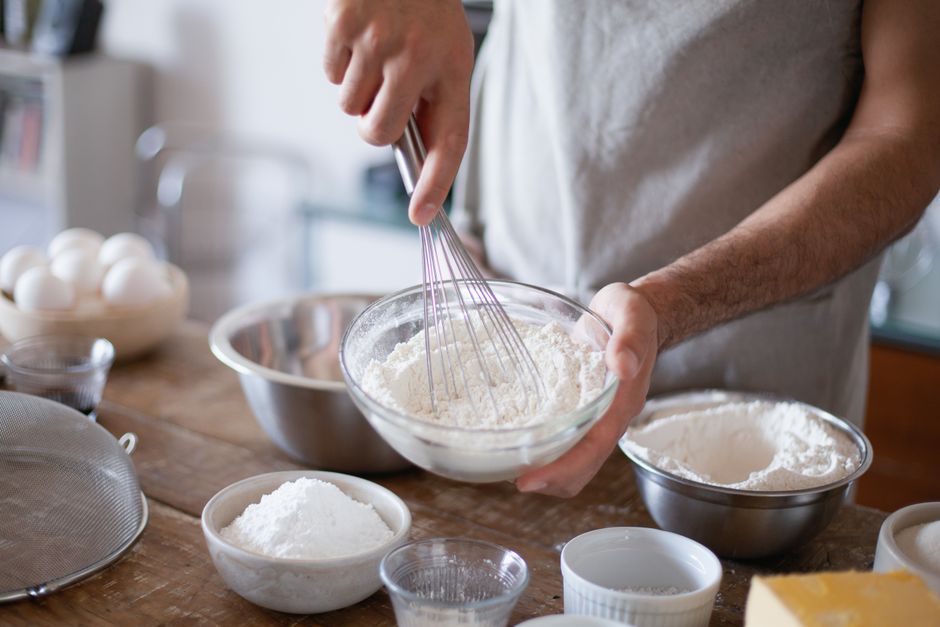
Accurate measurement is another critical factor. In the United States, many recipes use volume measurements (cups, tablespoons), which can be inconsistent depending on how flour is scooped. A cup of flour can weigh anywhere from 4 to 6 ounces, leading to significant variations. Using a kitchen scale to measure ingredients by weight can improve reproducibility. Additionally, oven temperature calibration is often overlooked; an oven that runs hot or cold can affect baking time and outcomes. An oven thermometer can help verify the actual temperature. These foundational elements set the stage for troubleshooting specific issues.
Furthermore, environmental factors such as altitude and humidity play a role. At higher altitudes, lower air pressure can cause cakes to rise too quickly and then fall, while dry climates may require adjustments to liquid amounts. Humidity can affect how dry ingredients absorb moisture, impacting dough consistency. These variables mean that a recipe that works perfectly in one kitchen may need tweaks in another. Keeping a baking log to record conditions and results can help identify patterns over time.
Sunken Cakes: Causes and Potential Adjustments
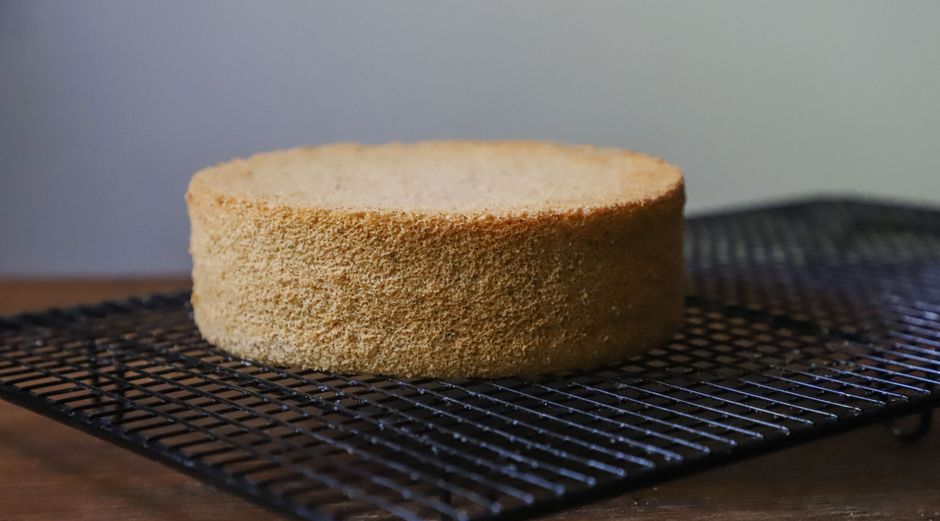
A cake that sinks in the center is a common frustration. This issue often occurs when the structure of the cake cannot support the rise. One primary cause is opening the oven door too early, which lets in cool air and causes the cake to set prematurely before the center is fully baked. The trapped air and steam escape, leading to a collapse. Another cause is overmixing the batter after adding flour; this develops too much gluten, making the cake tough and prone to sinking. Alternatively, undermixing can leave pockets of flour that create weak spots. Proper mixing until just combined is generally recommended.
Leavening agents also play a crucial role. Too much baking powder or baking soda can cause an excessive rise followed by a fall. Conversely, expired leaveners may not provide enough lift, resulting in a dense cake that sinks under its own weight. It is advisable to check the freshness of leaveners periodically. Another factor is the ratio of liquid to dry ingredients; too much liquid can weaken the structure, while too little can make the batter stiff and lead to a domed, cracked top that eventually sinks. Balancing the recipe is key.
Oven temperature and baking time are also critical. If the oven is too hot, the edges set quickly while the center remains raw; when removed from the oven, the center collapses. If the oven is too cool, the cake rises slowly and may not set properly. Using an oven thermometer to confirm the temperature and following the recipe’s recommended baking time, while checking for doneness with a toothpick, can help. Additionally, placing the cake on the middle rack and avoiding opening the door until the minimum time has passed can reduce the risk of sinking. In some cases, high altitude may require reducing leavening or increasing liquid. Experimenting with adjustments one at a time can help isolate the cause.
Dry Cookies: Factors and Possible Solutions
Dry, crumbly cookies are another frequent issue. The most common cause is overbaking. Cookies continue to bake on the hot baking sheet after being removed from the oven, so pulling them out when they look slightly underdone can yield a chewier texture. Using a timer and checking at the minimum time can prevent overdrying. Another factor is the ratio of fat to flour. Reducing fat or increasing flour can lead to a dry texture. In the United States, many classic cookie recipes rely on butter, which contributes moisture and flavor. Substituting margarine or reducing butter can alter the outcome. Similarly, using the wrong type of sugar can affect moisture; brown sugar contains molasses and retains more moisture than granulated sugar.
Ingredient temperature and mixing method also matter. Cold butter or eggs can cause the dough to be stiff, leading to overmixing and gluten development, which can result in tough, dry cookies. Room temperature ingredients blend more smoothly and create a more uniform dough. Overmixing after adding flour is a common mistake; it develops gluten and can make cookies dry and tough. Mixing until just combined is generally sufficient. Additionally, chilling the dough before baking can prevent spread and help retain moisture, but chilling for too long can dry out the dough. A balance is needed.
Storage also affects moisture retention. Cookies stored in an airtight container may stay soft, while those left out can dry out quickly. Adding a slice of bread to the container can help maintain moisture, though this is a temporary fix. For long-term storage, freezing baked cookies in airtight bags can preserve texture. If cookies consistently turn out dry, reviewing the recipe’s fat and sugar ratios, as well as baking time, is a good starting point. Adjustments should be made gradually, as changing multiple variables at once can make it difficult to identify the cause.
Dense Bread: Reasons and Possible Modifications
Dense bread often results from insufficient gluten development or inadequate fermentation. Gluten is the network of proteins that gives bread its structure and ability to trap gas. Kneading is essential for developing gluten, but the required time varies by recipe and flour type. Under-kneading leaves a weak network, while over-kneading can make dough tough. For yeast breads, fermentation is crucial; if the dough is not given enough time to rise, the yeast does not produce enough carbon dioxide, resulting in a dense loaf. Temperature affects fermentation speed; a cool kitchen can slow it down, while a warm one can speed it up. Monitoring dough volume rather than just time can be more reliable.
Ingredient ratios also play a role. Too much flour can make dough stiff and dry, leading to a dense crumb. Too much salt can inhibit yeast activity, while too little can affect flavor and dough strength. The type of flour matters; bread flour has higher protein content than all-purpose flour, which can affect rise. Using the wrong flour can lead to a denser texture. Additionally, water quality and altitude can influence dough behavior. In high-altitude areas, reduced air pressure can cause dough to rise too quickly and then fall, resulting in density. Adjustments such as reducing yeast or increasing liquid may be needed.
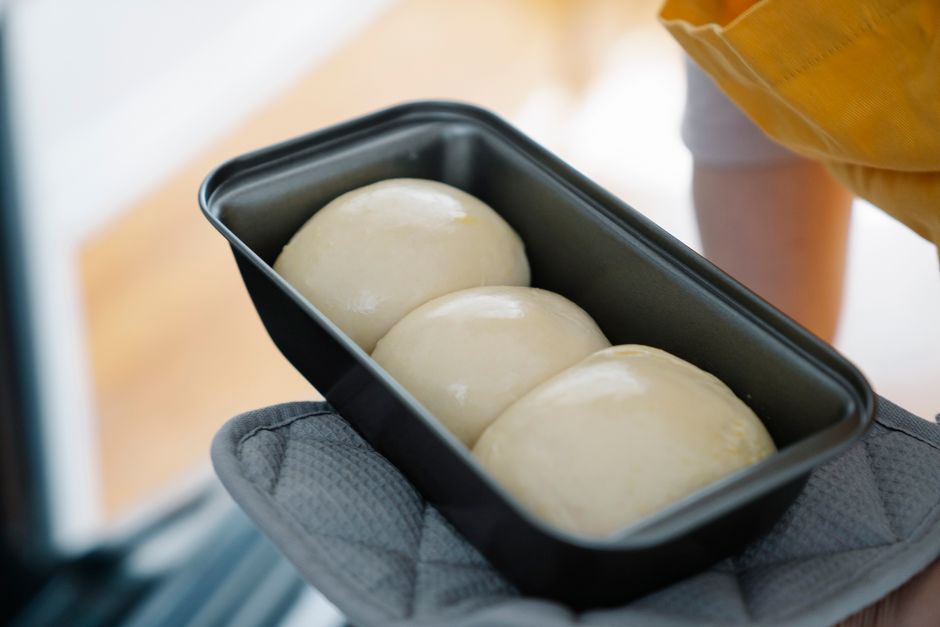
Shaping and proofing are also critical. Improper shaping can create tight pockets that restrict expansion, and over-proofing can cause the dough to collapse in the oven. Under-proofing leads to a dense, tight crumb. The poke test—gently pressing the dough and seeing if it springs back slowly—can help gauge readiness. Baking temperature and steam also affect crust and rise. A preheated oven and steam during the initial minutes can enhance oven spring. If bread consistently turns out dense, reviewing the entire process from mixing to baking can reveal areas for adjustment. Keeping notes can help track changes and outcomes.
General Troubleshooting Approach and Final Considerations
When facing any baking problem, a systematic approach can be more effective than random changes. Start by reviewing the recipe and your technique: Were ingredients measured accurately? Was the oven at the correct temperature? Was the mixing method followed? Often, small oversights are the cause. Next, consider external factors like altitude, humidity, and ingredient freshness. If a problem persists, try changing one variable at a time and observe the result. This methodical process helps build a personal understanding of how different factors interact in your specific environment.
It is also helpful to consult reliable resources and communities. Many baking issues have been experienced by others, and forums or books can offer insights. However, remember that what works for one person may not work for another due to differences in equipment and conditions. At Sweet Crumb Bakery, bakers often keep detailed logs to track variables and refine their craft. This practice can be adapted at home. Ultimately, baking is a skill that improves with practice and observation. Not every attempt will be perfect, but each provides an opportunity to learn.
In conclusion, troubleshooting common baking problems involves understanding the science behind ingredients and processes. Sunken cakes, dry cookies, and dense bread each have multiple potential causes, and solutions are often context-dependent. By approaching issues with curiosity and a willingness to experiment, bakers can develop greater consistency over time. The information provided here is for educational purposes and does not guarantee specific results. Always consider your unique setup and make adjustments thoughtfully.